Planned research area · Guidance not yet published
From evidence
to decisions.
How can organizations use more precise, temporally matched information to make better procurement decisions? Which disclosures would improve accountability while remaining feasible to collect?
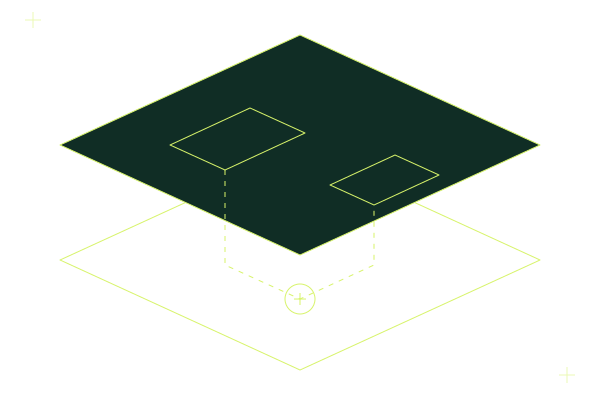
Conceptual illustration. Not measured data.
What this area
covers.
This area looks at how procurement claims (certificates, power purchase agreements, round-the-clock matching) relate to the hourly grid, how accounting rules shape what gets reported, and what policy frameworks ask of data-center electricity use.
Candor's own figures are location-based averages of the regional grid. They are not purchase-based, and nothing on this site is a regulatory or compliance claim.
Status: planned. No findings are published here yet, and this page makes no policy claims. Literature already cited in the research references is the starting point: work on 24/7 carbon-free energy procurement and on marginal emissions factors for the U.S. electricity system.
Intended scope,
not published findings.
- How hourly-matching approaches differ from annual matching in practice.
- How accounting conventions (location-based versus market-based) change what a given purchase appears to achieve.
- What public frameworks and filings currently ask of large electricity users such as data centers.
- How utility and regulatory treatment of large new loads could affect the timing and place of AI electricity demand.
Questions this area asks
- What does an hourly view of the grid change about how a procurement claim reads?
- Which public rules or filings describe data-center electricity, and what do they require to be disclosed?
- What would better data need to look like to answer these questions?